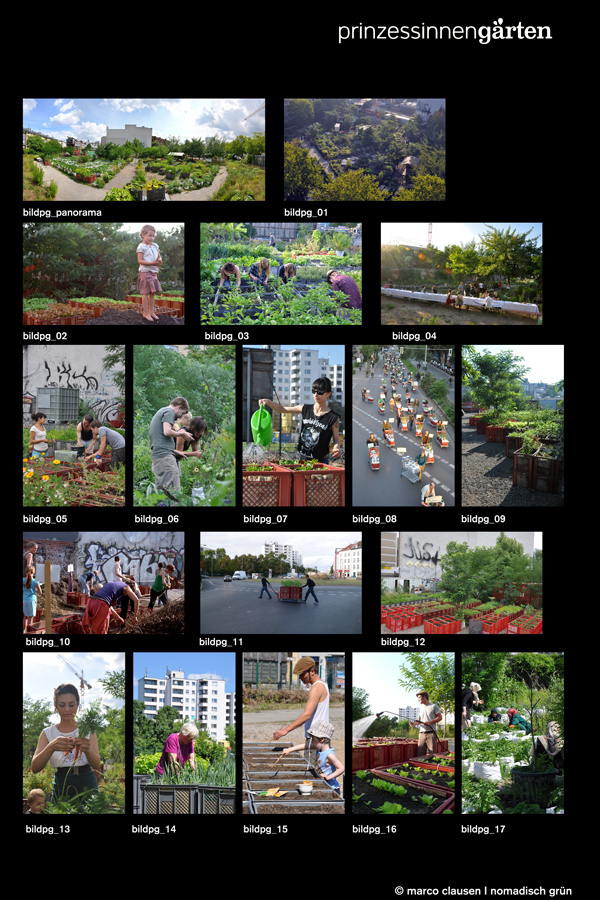

Nomadisch Grün (Nomadic Green) launched Prinzessinnengärten
(Princess gardens) as a pilot project in the summer of 2009 at
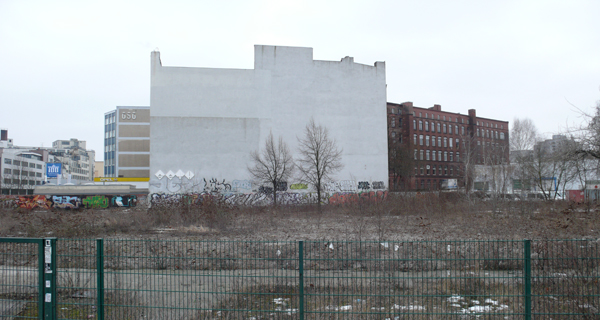
Moritzplatz in Berlin Kreuzberg, a site which had been a wasteland for
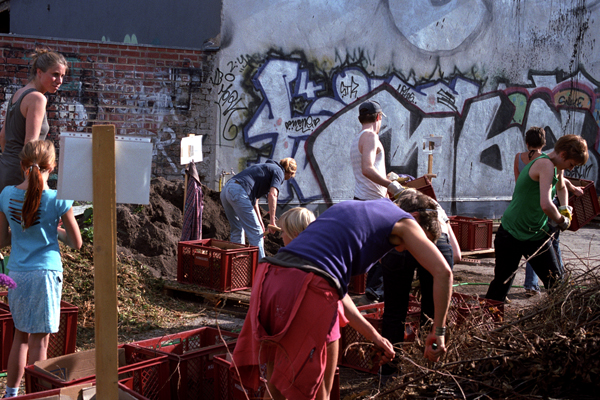
over half a century. Along with friends, fans, activists and neighbours,
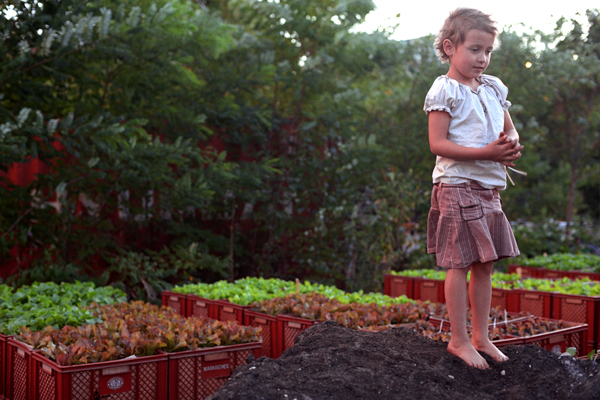
the group cleared away rubbish, built transportable organic vegetable
plots and reaped the first fruits of their labour.
Imagine a future where
every available space in big cities is used to let new green spaces
bloom. Green spaces that local residents create themselves and use to
produce fresh and healthy food. The result would be increased biological
diversity, less CO2 and a better microclimate. The spaces would promote a sense
of community and the exchange of a wide variety of competencies and
forms of knowledge, and would help people lead more sustainable lives.
They would be a kind of miniature utopia, a place where a new style of
urban living can emerge, where people can work together, relax,
communicate and enjoy locally produced vegetables.
In future ever more people
will be living in cities rather than in rural areas. The city will
therefore become the decisive place for the development of more
sustainable ways of eating, living and moving. The city of the future
should be a climate-friendly, pleasant place to live, where every care
is taken to conserve our natural resources.
Prinzessinnengärten is a new urban place of learning. It is where locals can come
together to experiment and discover more about organic food production,
biodiversity and climate protection. The space will help them adapt to
climate change and learn about healthy eating, sustainable living and a
future-oriented urban lifestyle.
With this project Nomadisch Grün intends to increase biological, social and
cultural diversity in the neighbourhood and pioneer a new way of living
together in the city.
Urban agriculture on Moritzplatz
- The story so far -
For half a century
Moritzplatz hid in the shadows of the Berlin Wall.
This almost forgotten corner, once zoned as a motorway junction, is
now experiencing a new lease of life.
First it was just a vision: Sitting in the middle of our field at sunset, the wind rustling through the poplars, the air scented by ripe tomatoes and fresh herbs, chatting with our friends and neighbours, having a good time – right in the middle of the city !
First it was just a vision: Sitting in the middle of our field at sunset, the wind rustling through the poplars, the air scented by ripe tomatoes and fresh herbs, chatting with our friends and neighbours, having a good time – right in the middle of the city !
This was the picture Robert brought home to Berlin after a trip to Cuba. In Havana and other cities, agricultura urbana is not just about producing one’s own vegetables but more about creating an urban living-, working- and meetingplace. This is where neighbours would gather and adults would pass on their knowledge to children
as they relax over a cup of coffee.
“Let’s do it in Berlin!”, with this rallying call and the help of children, youth, neighbours and friends we are transforming Moritzplatz into an urban garden, café and place of working, learning and relaxing.
Nomadisch Grün (Nomadic Green)
Starting in the summer of 2009, the non-profit company „Nomadisch Grün“ has leased a site in Berlin/Kreuzberg in order to create a mobile urban farm:
Starting in the summer of 2009, the non-profit company „Nomadisch Grün“ has leased a site in Berlin/Kreuzberg in order to create a mobile urban farm:
The Prinzessinnengarten.
Locally grown organic vegetables
Our fresh, organic, locally produced herbs and vegetables are grown in raised compost beds without using any pesticides or artificial fertilisers.
Our fresh, organic, locally produced herbs and vegetables are grown in raised compost beds without using any pesticides or artificial fertilisers.
Mobile Gardening
Nomadisch Grün stands for mobile gardening. We temporarily
transform unused spaces such as buildingsites, car parks and roofs into urban farmland and green meeting places.
Nomadisch Grün stands for mobile gardening. We temporarily
transform unused spaces such as buildingsites, car parks and roofs into urban farmland and green meeting places.
Sustainable Living
The Prinzessinnengarten is a place of discovery where children, neighbours, experts and those curious about sustainable living can come together to about and explore alternative visions for our city.
The Prinzessinnengarten is a place of discovery where children, neighbours, experts and those curious about sustainable living can come together to about and explore alternative visions for our city.
Hedonism as we understand it
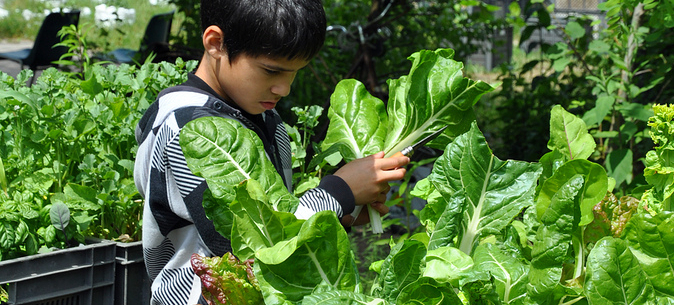
Our garden is a place of pleasure and rejuvenation. Relax and enjoy watching the vegetables being harvested and freshly prepared in our small garden restaurant.
Our garden is a place of pleasure and rejuvenation. Relax and enjoy watching the vegetables being harvested and freshly prepared in our small garden restaurant.
Help grow a new city: Join in.
We couldn’t wait, so we’ve already started.
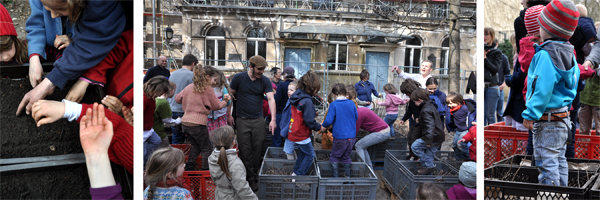
Come along and find your role – together we are building the future of our city.
We couldn’t wait, so we’ve already started.
Come along and find your role – together we are building the future of our city.
+